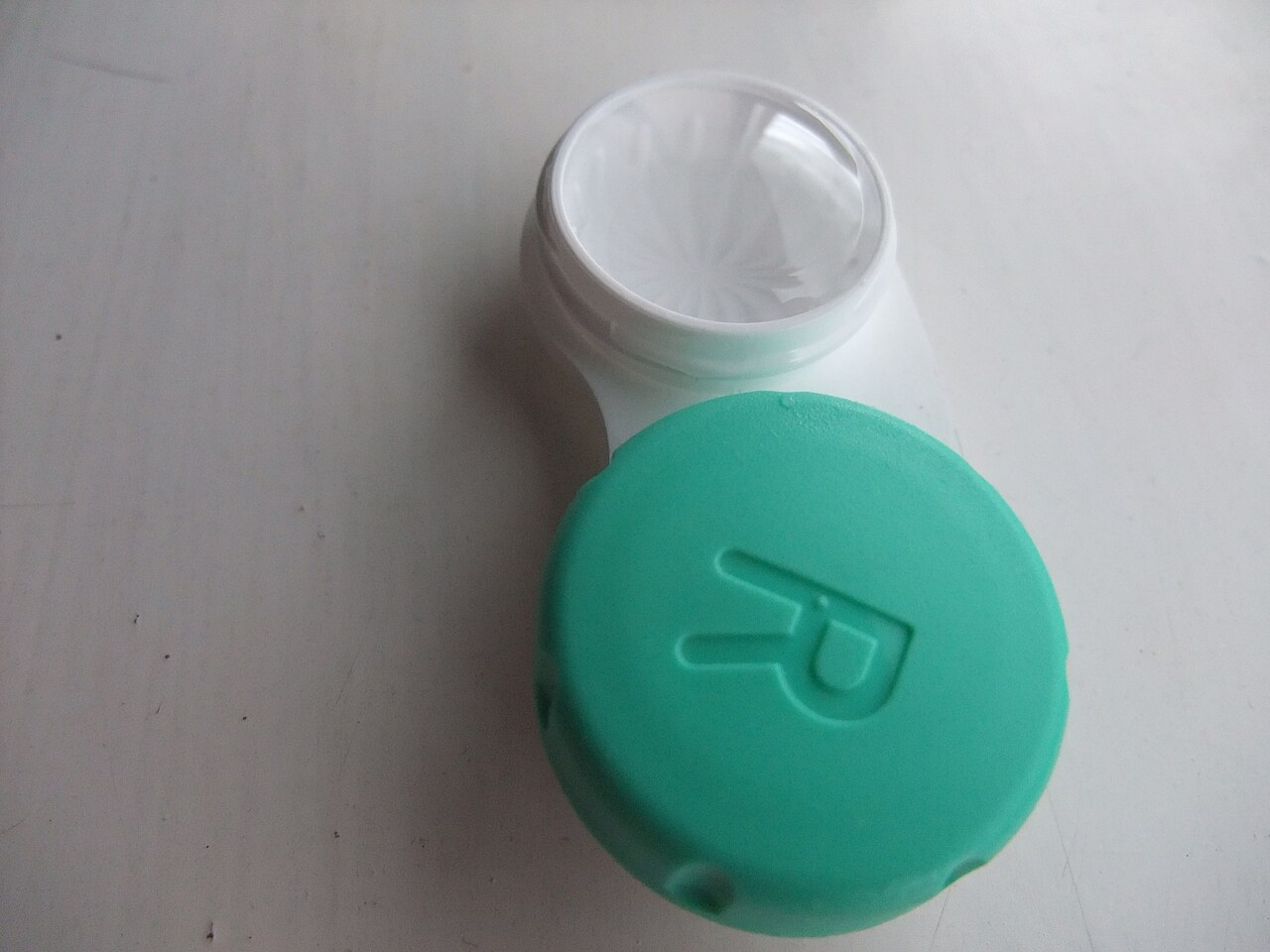
Shops selling colour contact lenses and hair-removal devices on Douyin (抖音) will no longer have to upload proof of an online medical-device sales filing, under a revised category rule the platform posted on 3 November. The change is expected to take effect on 11 November, once a public notice period running to 10 November closes.
The rule covers Douyin’s “beauty and body” sub-category within medical devices and health products. Its five product lines are colour contact lenses, clear contact lenses, lens care solution, lubricating eye drops and hair-removal devices.
A filing certificate drops off the list of required papers
Under the current version, sellers in the sub-category must submit a medical-device online sales filing certificate that names the platform they sell on (医疗器械网络销售备案证明). The revision removes it from the industry qualifications Douyin collects.
The obligation towards regulators is still spelled out. The revised text says every merchant selling medical devices must notify the drug regulator of online sales, and the platform reminds sellers to complete that report with their local authority.
| Point | Current rule | Revised rule |
|---|---|---|
| Online sales filing certificate naming the platform | Required industry qualification | No longer required |
| Product title wording | – | Two clauses added: no unverifiable or superstitious claims; promotion must be plain, true and verifiable |
| Public notice period | – | 3–10 November 2026 |
| Effective date | First in force 3 August 2023 | Expected 11 November 2026 |
Titles may not lean on unproven science or superstition
The second change adds two lines to the rules on product titles and descriptions. Sellers may not use claims that cannot be substantiated or that rely on superstition, and promotional wording has to be easy to understand, truthful and checkable.
These sit beside a long list of existing bans. Titles cannot promise a cure, use superlatives such as “most advanced”, or cite unverified “research findings”. Spokesperson materials are also barred, including tags like “same style as [celebrity]”.
For colour lenses, the product page must show correct use, precautions, the lens parameters and the adverse reactions that decorative colour lenses can cause. Every listing in the category needs five main images, with the third showing the registration or filing certificate.
Brand entry still hinges on sales and an NMPA number
All five product lines stay under targeted admission (定向准入), meaning Douyin reviews each application before a shop can trade. For lenses, lens solution and eye drops, a brand qualifies through sales or ownership, and must also carry a valid registration number that can be looked up on the National Medical Products Administration (国家药品监督管理局, NMPA) website.
The sales test is more than 3 million in cumulative transactions across mainstream e-commerce platforms over the past 12 months, or more than 1 million on any one of them. The alternative is being a sub-brand of a company listed on a domestic main board.
Store rules are narrower for hair-removal devices. Only official flagship and flagship stores are admitted, they may sell nothing but medical devices, and the brand must be well known or one of certain growth-stage “potential” brands. Lens shops can also be specialty or exclusive stores, with an experience score above 73 if already open.
Imported devices keep their paperwork trail
Sellers of imported Class II and III devices must still provide a Chinese customs import declaration from the past year that shows the brand and product name. They also need import purchase records uploaded within the last two years.
A third-party test report issued within the past year by a CMA- or CNAS-accredited laboratory is required too. Where the importer named on the customs form is outside the brand’s authorisation chain, the seller must add an entrusted-import agreement.
Livestreams and short videos are covered as well. Products sold through them must hold a medical-device advertising approval number, and creators describing a device must stick to what its registration certificate and approved instructions say.